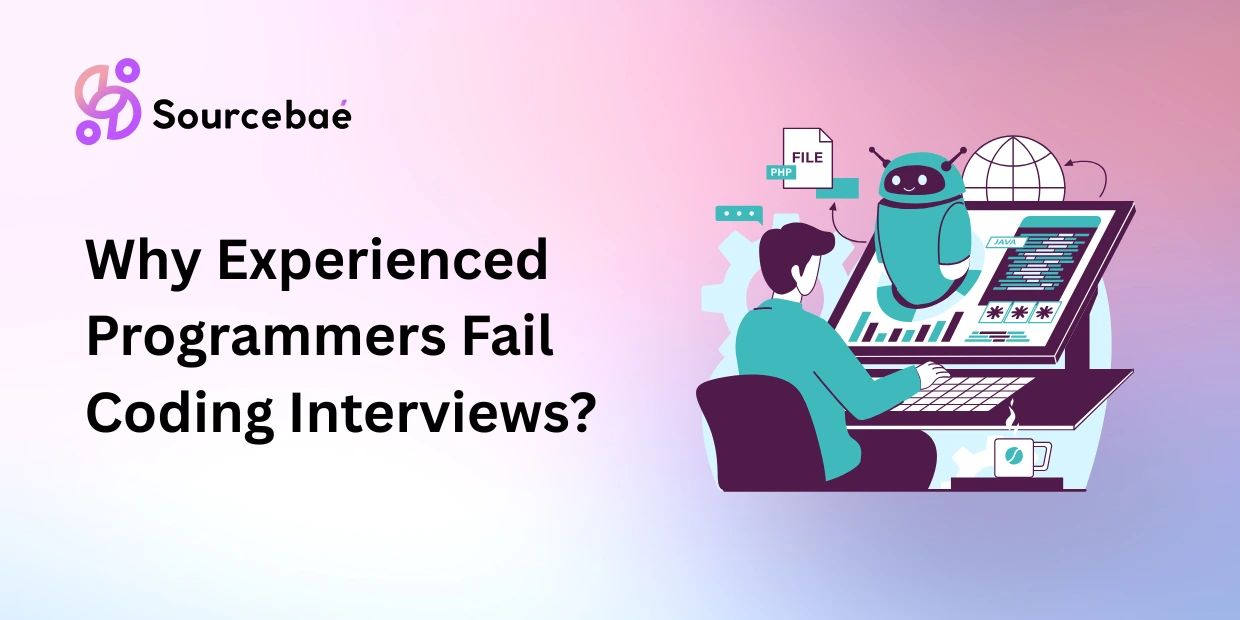

In the highly competitive world of software development, coding interviews are a crucial step in landing a dream job. Surprisingly, even seasoned programmers with years of experience can falter during these interviews. This article delves into the reasons why experienced programmers fail coding interviews, explores possible solutions, and offers valuable tips to ace your next interview confidently.
Why Experienced Programmers Fail Coding Interviews?
Coding interviews can be nerve-wracking for both newcomers and seasoned developers. The pressure to perform at the highest level can sometimes lead to unexpected mistakes. Let’s explore some common reasons why experienced programmers stumble during coding interviews.
Lack of Interview-Specific Preparation
Experienced programmers may underestimate the importance of interview-specific preparation. Assuming their extensive coding background will be enough, they might not invest time in understanding the specific interview format and requirements. This can result in suboptimal performance.
Failure to Communicate Effectively
Clear communication is vital during coding interviews, especially when explaining your thought process and code solutions. Some experienced programmers might struggle to articulate their ideas concisely, leading to misunderstandings and missed opportunities to showcase their skills.
Overconfidence and Complacency
Years of programming experience can lead to overconfidence, causing some seasoned developers to become complacent about interview preparation. This lack of humility can blind them to gaps in their knowledge and hinder their ability to solve interview challenges effectively.
Lack of Familiarity with New Technologies and Techniques
Experienced programmers who haven’t kept up with the latest trends and technologies may find themselves at a disadvantage during coding interviews. The software development landscape is constantly evolving, and interviewers often assess candidates on their familiarity with recent advancements.
Time Management Issues
Coding interviews are typically time-bound, adding an element of urgency to problem-solving. Some experienced programmers might struggle with time management, either spending too much time on a single problem or rushing through solutions without thorough testing.
Overcoming the Challenges: Strategies for Success
As an experienced programmer, you have a wealth of knowledge and expertise at your disposal. To increase your chances of success in coding interviews, consider implementing the following strategies:
Invest in Interview-Specific Preparation
Devote time to understand the common interview formats and practice with coding challenges similar to those used in interviews. Online coding platforms and mock interviews can be immensely helpful in simulating the real interview experience.
Improve Communication Skills
Sharpen your ability to explain complex coding concepts clearly. Practice articulating your thought process aloud while working on coding problems. Seek feedback from peers or mentors to refine your communication skills.
Stay Humble and Keep Learning
Embrace a growth mindset and acknowledge that there is always room for improvement. Stay curious about new technologies and programming techniques, and actively seek opportunities to enhance your skill set.
Stay Updated with the Latest Technologies
Regularly read tech blogs, attend webinars, and participate in coding communities to stay up-to-date with the latest trends in software development. Being familiar with emerging technologies can set you apart during interviews.
Practice Time-Bound Problem-Solving
Incorporate time constraints into your practice sessions to simulate the pressure of coding interviews. Focus on optimizing your problem-solving process to strike a balance between efficiency and accuracy.
Frequently Asked Questions (FAQs)
Q: Why do experienced programmers fail coding interviews despite their expertise?
Experienced programmers may struggle with interview-specific preparation, communication, overconfidence, lack of familiarity with new technologies, and time management issues.
Q: How can I improve my communication during coding interviews?
Practice explaining your thought process aloud while solving coding problems. Seek feedback from peers or mentors to enhance your communication skills.
Q: Is it essential to stay updated with the latest technologies for coding interviews?
Yes, staying informed about the latest technologies demonstrates your adaptability and enthusiasm for learning, which are valuable traits in interviews.
Q: How can I manage time better during coding interviews?
Incorporate time constraints into your practice sessions. Focus on optimizing your problem-solving process to improve time management.
Q: Are coding bootcamps helpful for experienced programmers preparing for interviews?
Yes, coding bootcamps can provide structured interview preparation, practice opportunities, and exposure to new technologies.
Q: Can I rely solely on my experience without interview-specific preparation?
It’s crucial to invest time in interview-specific preparation, as coding interviews often require a different approach and format than regular coding tasks.
Conclusion
Experienced programmers may face unique challenges during coding interviews, but with the right approach, they can excel and secure their dream roles. By investing in interview-specific preparation, improving communication skills, staying humble, keeping up with the latest technologies, and practicing time-bound problem-solving, experienced programmers can increase their chances of success.
Remember, interviews are not just about demonstrating technical prowess but also showcasing your adaptability and willingness to grow as a developer. Embrace these tips, stay dedicated to your preparation, and approach interviews with confidence and humility.
READ MORE: 10 Full Stack Project Ideas for 2023